
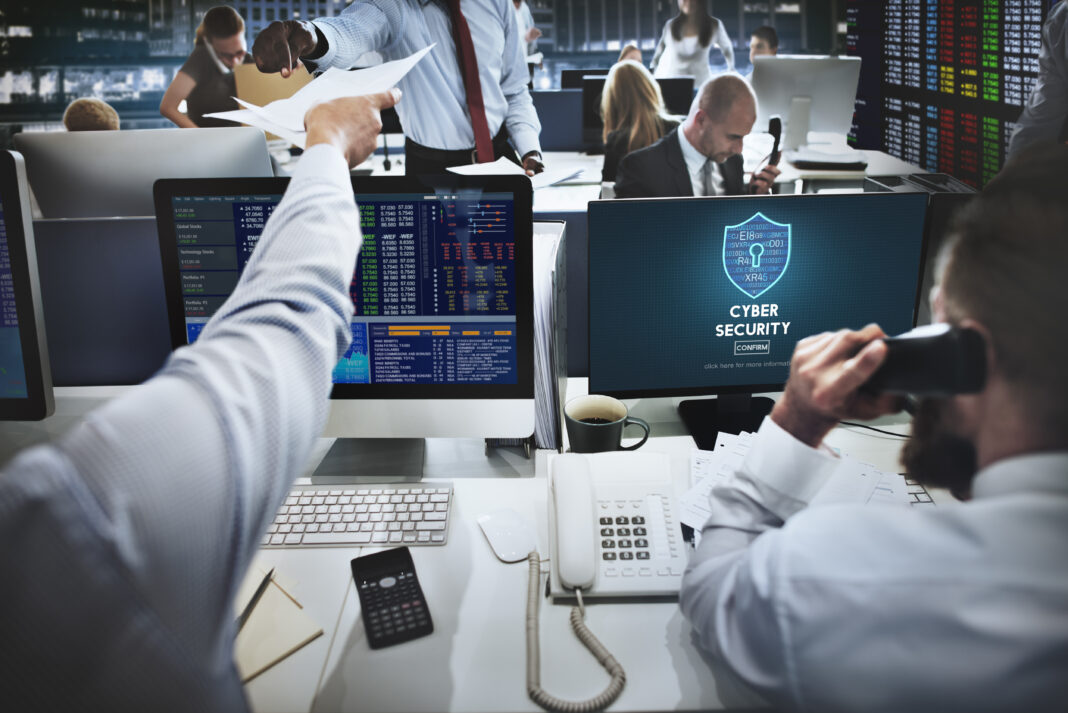

The digital world we live in today places cybersecurity at the top of the list of concerns for not only individuals but also companies and government bodies throughout the United States. As there is more reliance on online services the frequency of cyber attacks in the USA keeps growing. The list of such attacks includes unauthorized access to databases, stealing of sensitive information, and demanding ransom for the return of encrypted data. Besides, these electronic menaces can lead to enormous losses in terms of both money and reputation. The top cyber threats in the US are discussed in this article along with some useful advice on how to secure oneself and the organization against them.
1. Phishing Attacks
- Phishing is still the most common and in the entire USA, the most dangerous cybersecurity threat. The attack method is characterized by the fact that the criminals send emails or messages that seem to be from a legitimate source in an attempt to get the users to reveal their personal or financial information. The attacks have often been aimed at company staff leading to data breaches of huge proportions.
- Safety Tips:
- The very first thing you should do is to check whether the email is really from the sender.
- Do not click on links that you find suspicious or download attachments that are unknown to you.
- Adopt better spam filters and practice the use of two-factor authentication.
2. Ransomware Attacks
- Ransomware is a kind of malware that either locks or encrypts your files and then demands a ransom as a condition to unlock or decrypt them. The USA has endured numerous major ransomware cases in recent years, and they have launched attacks on hospitals, schools, and even government departments. Cybercriminals make use of unprotected security systems and old software to get in.
- What measures to take for your safety:
- Copy your crucial data to safe places regularly.
- Use the latest version of your operating system and software.
3. Data Breaches
Data breaches occur when hackers gain unauthorized access to sensitive data, such as personal, financial, or business information. In the USA, millions of records are exposed each year due to security lapses in companies and online platforms. These breaches can lead to identity theft, financial loss, and legal issues.
How to stay safe:
- Use strong, unique passwords for each account.
- Store sensitive information only on secure platforms.
- Regularly monitor your accounts for suspicious activity.
4. Identity Theft
Identity theft is another growing cybersecurity concern in the USA. Hackers steal personal details such as Social Security numbers, bank details, or credit card information to commit fraud. This can damage your credit score and cause financial distress.
How to stay safe:
- Shred personal documents before disposal.
- Be cautious when sharing personal details online.
- Use identity theft protection services to monitor unusual activity.
5. Social Engineering
Social engineering attacks rely on manipulating people rather than exploiting technical weaknesses. Attackers trick victims into revealing confidential information through phone calls, messages, or fake websites. These scams are often used to bypass security systems in businesses and organizations.
How to stay safe:
- Be cautious of unsolicited requests for information.
- Verify the identity of the person contacting you.
- Train employees to recognize common scam tactics.
6. Cloud Security Risks
With the widespread use of cloud storage and services, cloud-based attacks have become a major cybersecurity issue in the USA. Poorly configured cloud systems can expose sensitive data to hackers. Cybercriminals often exploit weak access controls or unencrypted files.
How to stay safe:
- Use strong encryption for data stored in the cloud.
- Enable multi-factor authentication.
- Regularly audit cloud settings for security vulnerabilities.
Conclusion
Technological progress has changed the landscape of cybersecurity and at the same time, new threats have emerged in the USA, and the global situation is not different from it. Being a private person, a small company, or a large corporation, it is always necessary to be watchful and to take preventive measures. Among the main defenses against digital threats are the regular updates of software, the use of strong passwords, the making of data backups, and the training of employees.
Cybersecurity is not just a concern for the IT department— it is a shared responsibility. If you take the right steps to protect your information today, then you will secure not only your data but also your finances and your reputation from future cyber threats.

