
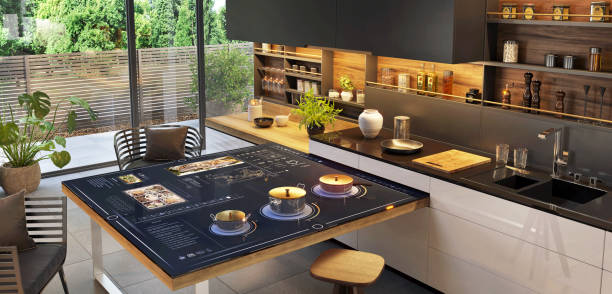

A smart kitchen is no longer just a luxury found in high-end homes. With modern technology becoming more affordable and accessible, creating a smart kitchen is easier than ever.
A smart kitchen combines technology, organization, energy efficiency, and stylish design to make cooking faster, safer, and more enjoyable. Whether you are renovating your home or upgrading your existing space, this guide will help you understand how to create a smart kitchen step by step.
What Is a Smart Kitchen?
A smart kitchen integrates technology and intelligent design to improve functionality. It includes smart appliances, automated lighting, energy-efficient systems, and organized storage solutions.
The goal is simple:
✔ Save time
✔ Reduce effort
✔ Improve safety
✔ Enhance comfort
✔ Increase home value
Step 1: Plan Your Smart Kitchen Layout
Before buying gadgets, focus on layout planning.
The ideal smart kitchen layout should:
- Follow the kitchen work triangle (sink, stove, refrigerator)
- Provide smooth movement
- Maximize storage space
- Allow easy appliance access
Popular layouts:
- L-shaped kitchen
- U-shaped kitchen
- Parallel kitchen
- Kitchen with island
Smart kitchens prioritize both beauty and functionality.
Step 2: Invest in Smart Appliances
Smart appliances are the backbone of a modern kitchen.
Consider adding:
Smart Refrigerator
- Tracks groceries
- Shows internal view via camera
- Adjusts temperature remotely
Smart Oven
- Remote preheating
- Auto-cooking modes
- App connectivity
Induction Cooktop
- Faster heating
- Energy efficient
- Safety lock features
Smart Dishwasher
- Water-saving cycles
- Quiet operation
- App monitoring
Choose appliances that match your daily cooking habits.
Step 3: Install Smart Lighting
Lighting plays a major role in functionality and mood.
Install:
- Motion-sensor lights
- Under-cabinet LED strips
- Dimmable ceiling lights
- Voice-controlled lighting systems
Smart lighting improves visibility while cooking and saves electricity.
Step 4: Use Touchless & Sensor-Based Fixtures
Hygiene is important in a kitchen.
Install:
- Touchless faucets
- Sensor trash bins
- Automatic soap dispensers
These features reduce germ spread and improve cleanliness.
Step 5: Upgrade Storage with Modular Solutions
Smart kitchens are clutter-free.
Use:
- Pull-out drawers
- Corner carousel units
- Vertical storage racks
- Built-in spice organizers
- Hidden appliance cabinets
Maximizing storage makes cooking stress-free.
Step 6: Add Smart Connectivity
Connect appliances to:
- Mobile apps
- Voice assistants
- Smart home systems
This allows you to:
- Monitor cooking remotely
- Set timers hands-free
- Receive maintenance alerts
Integration increases convenience significantly.
Step 7: Choose Energy-Efficient Options
Energy-efficient appliances:
- Reduce electricity bills
- Protect the environment
- Last longer
Look for high energy ratings and eco-friendly models.
Step 8: Incorporate a Smart Kitchen Island
If space allows, add a multifunctional island with:
- Built-in induction cooktop
- Charging ports
- Extra storage drawers
- Breakfast seating
Kitchen islands enhance both practicality and aesthetics.
Step 9: Improve Ventilation and Air Quality
Install:
- Smart chimneys
- Automatic exhaust systems
- Air purifiers
Good ventilation keeps your kitchen fresh and comfortable.
Step 10: Keep the Design Minimal and Modern
Smart kitchens look clean and sleek.
Choose:
- Handle-less cabinets
- Matte finishes
- Neutral colors
- Integrated appliances
Minimal design reduces visual clutter.
Benefits of Creating a Smart Kitchen
✔ Saves time in daily cooking
✔ Reduces manual effort
✔ Improves safety
✔ Enhances organization
✔ Adds modern appeal
✔ Increases property value
Final Thoughts
Creating a smart kitchen is about combining technology with smart design choices. You don’t need to upgrade everything at once. Start with essential appliances, improve lighting, organize storage, and gradually build a fully connected system.
A well-designed smart kitchen makes everyday cooking easier, cleaner, and more enjoyable.

