


In today’s competitive manufacturing landscape, industries require materials that deliver durability, flexibility, and high performance under demanding conditions. One material that consistently meets these expectations is industrial rubber. From automotive components to heavy machinery, rubber plays a critical role in ensuring safety, efficiency, and longevity of industrial products. Modern processes such as rubber moulding and the use of a RUBBER CALENDERING Line have significantly enhanced the quality and versatility of rubber-based products across multiple sectors.
Industrial rubber has evolved beyond simple applications. Thanks to advanced manufacturing technologies, it now serves industries including construction, mining, automotive, aerospace, and medical equipment. Companies that specialize in rubber engineering and production are constantly innovating to create customized solutions that meet precise industrial requirements.
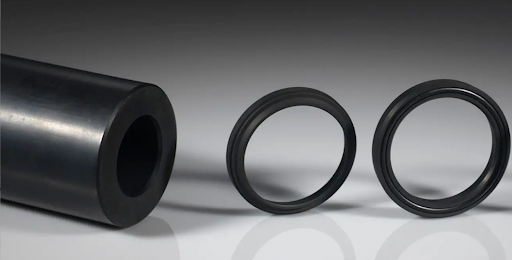
One of the major advantages of industrial rubber is its exceptional adaptability. Rubber materials can be engineered to resist extreme temperatures, chemicals, abrasion, and heavy mechanical stress. This makes them suitable for seals, gaskets, vibration dampeners, hoses, conveyor belts, and countless other applications. When combined with modern production techniques, rubber becomes a highly reliable and cost-effective material for industrial manufacturing.
The Importance of Rubber Moulding in Manufacturing
Rubber moulding is one of the most essential processes in producing high-quality rubber components. It involves shaping rubber materials into specific forms using heat and pressure inside specially designed moulds. This process allows manufacturers to produce complex shapes with excellent precision and consistency.
There are several rubber moulding methods commonly used in industrial production. Compression moulding, transfer moulding, and injection moulding are among the most widely adopted techniques. Each method is selected based on the product’s design requirements, material characteristics, and production volume.
Rubber moulding enables manufacturers to create components with exact specifications and tight tolerances. This is particularly important in industries where even minor deviations can affect performance or safety. For example, automotive seals and gaskets must fit perfectly to prevent leaks and ensure optimal engine performance.
Additionally, rubber moulding supports large-scale production while maintaining consistent product quality. With the right tooling and process control, manufacturers can efficiently produce thousands of identical parts with minimal variation. This level of precision helps industries maintain reliability in their operations and reduces the risk of equipment failure.
Role of a RUBBER CALENDERING Line
Another vital technology in rubber processing is the RUBBER CALENDERING Line. This specialized production system is used to create uniform rubber sheets, coated fabrics, and laminated materials. The process involves passing rubber compounds through a series of heated rollers that flatten and shape the material into precise thicknesses.
A RUBBER CALENDERING Line is particularly valuable in industries that require rubber sheets or layered materials, such as conveyor belts, insulation products, rubber flooring, and coated textiles. By controlling temperature, pressure, and roller speed, manufacturers can produce materials with consistent thickness and surface quality.
One of the biggest advantages of calendering technology is its ability to produce continuous rubber sheets with exceptional uniformity. This ensures that the final products maintain consistent mechanical properties throughout the entire material. For industries that rely on durability and performance, this consistency is crucial.
Furthermore, calendering allows manufacturers to combine rubber with other materials such as fabric or metal reinforcement. This enhances strength, flexibility, and resistance to wear. As a result, calendered rubber products are widely used in applications that require both structural integrity and flexibility.
Industrial Rubber Solutions for Diverse Applications
The demand for high-performance rubber products continues to grow as industries push for more efficient and reliable equipment. Custom rubber manufacturing allows businesses to develop specialized components designed for specific applications.
For instance, mining and heavy industries often require rubber components that can withstand extreme abrasion and heavy loads. In contrast, the automotive industry prioritizes vibration control, sealing performance, and temperature resistance. By utilizing advanced rubber compounds and precision manufacturing techniques, suppliers can tailor products to meet these unique requirements.
Companies with extensive experience in rubber engineering understand the importance of quality control and innovation. Advanced manufacturing facilities integrate modern technologies such as automated moulding systems, precision cutting equipment, and high-capacity calendering lines to deliver superior products.
If businesses are seeking reliable rubber manufacturing solutions, working with experienced providers like AUP Rubber can make a significant difference. Established manufacturers offer not only production capabilities but also technical expertise in material selection, product design, and performance optimization.
Quality, Sustainability, and Future Trends
As global industries move toward sustainability, rubber manufacturing is also evolving to reduce environmental impact. Many manufacturers are investing in eco-friendly rubber compounds, recycling initiatives, and energy-efficient production systems. These improvements help reduce waste while maintaining high product performance.
Another emerging trend is the integration of advanced testing and quality control systems. Modern rubber manufacturers use laboratory testing, computer-aided design, and simulation tools to ensure products meet strict industry standards. This approach improves reliability and minimizes production defects.
Automation is also transforming rubber manufacturing processes. Automated rubber moulding systems and advanced calendering lines allow manufacturers to increase production efficiency while maintaining consistent product quality. These innovations help meet the growing global demand for industrial rubber components.
Conclusion
Industrial rubber continues to be an essential material in modern manufacturing due to its durability, flexibility, and versatility. Processes like rubber moulding and the use of a RUBBER CALENDERING Line enable manufacturers to produce high-quality components that meet strict industrial standards.
As industries evolve, the demand for reliable and customized rubber solutions will only continue to grow. Companies that invest in advanced manufacturing technologies and maintain strong quality standards will remain at the forefront of this rapidly developing sector. With experienced manufacturers and innovative production techniques, industrial rubber will continue to support critical applications across countless industries worldwide.

