
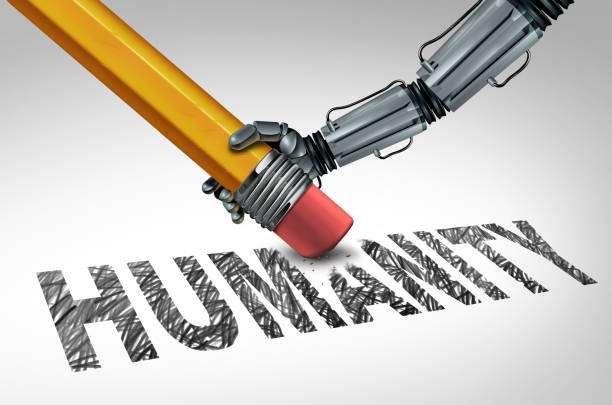

As artificial intelligence becomes a regular part of academic life, students are increasingly using AI tools to support their writing. While AI text generators can assist with ideas and structure, their outputs often sound robotic, repetitive, or overly formal. This is where Humanizer AI tools play an important role. These tools help students transform AI-generated or rough drafts into writing that feels more natural, personal, and authentic—while still maintaining academic integrity.
In 2025, Humanizer AI will quickly become one of the most valuable resources for students who want to write better, faster, and more confidently. Let’s explore how these tools work, what benefits they provide, and why they are becoming essential for academic success.
Understanding What a Humanizer AI Really Does
A Humanizer AI is not designed to write essays from scratch or replace a student’s voice. Instead, its goal is to refine writing so it feels natural and human-like. It adapts language, tone, and vocabulary to match how students normally express themselves.
Unlike traditional paraphrasing tools, a Humanizer AI focuses on:
- Improving flow and readability
- Removing robotic or repetitive phrasing
- Maintaining authenticity while enhancing clarity
- Preserving the writer’s unique style
This makes the tool especially helpful for students who struggle with overly formal or stiff writing, which is common when relying on basic AI generators or translation tools.
1. Enhancing Clarity Without Losing Authenticity
One of the biggest challenges students face is expressing complex ideas in a clear, understandable way. Humanizer AI tools simplify sentences, polish awkward wording, and break down long explanations without changing the original meaning.
For example, a confusing paragraph can be rewritten to be more natural and concise. Instead of producing generic academic language, Humanizer AI keeps the student’s tone intact while improving readability.
This leads to writing that feels personal, confident, and genuinely human.
2. Helping ESL Students Sound More Fluent and Natural
Many international students struggle to communicate ideas naturally in English, especially when writing academic essays or research assignments. Humanizer AI tools bridge this gap by adjusting grammar, vocabulary, and sentence structure while preserving the student’s voice.
Benefits for ESL students:
- More natural English expressions
- Corrected grammar without sounding overly formal
- Improved flow and coherence
- Increased confidence in writing
3. Making AI-Generated Drafts Sound Genuine
AI writers are powerful, but their outputs often sound similar, predictable, and easy for teachers to identify. Humanizer AI tools transform these drafts into writing that reflects real human thinking patterns.
Instead of rewriting content in a robotic way, they:
- Add variation in sentence structure
- Introduce natural vocabulary
- Improve rhythm and flow
- Avoid repetitive phrases that many AI generators use
4. Supporting Plagiarism-Free Writing
Plagiarism is one of the biggest concerns in academic writing. Humanizer AI helps students avoid accidental plagiarism by rewriting sentences in a more original and natural way.
This includes:
- Eliminating overly similar phrasing from sources
- Reworking citations and paraphrased sections
- Ensuring each sentence is uniquely expressed
- Preserving the core meaning without copying language
5. Improving Creativity and Confidence
Writing can be intimidating, especially when students lack confidence or don’t know how to start. Humanizer AI tools provide gentle support by guiding students toward clearer, more expressive writing.
Because the AI refines rather than replaces content, students learn from each revision. They start to notice patterns in their mistakes and gradually develop stronger writing habits.
The result?
- More confident students
- Stronger academic skills
- Better engagement with assignments
6. Saving Time Without Sacrificing Quality
Students often juggle multiple assignments, part-time jobs, and tight deadlines. Humanizer AI tools help them save time by quickly polishing drafts, improving structure, and creating a clean, final version of their work.
Instead of spending hours rewriting awkward paragraphs, students can focus on research, creativity, and original thinking.
This balance ensures high-quality writing while reducing stress and burnout.
7. Ethical and Responsible Use of Humanizer AI
Using AI responsibly is crucial in academic environments. A Humanizer AI is not meant to create entire essays for students, but to support their writing process.
Responsible use includes:
- Writing your own draft or ideas
- Using the AI only to improve clarity and tone
- Ensuring citations and sources are properly credited
- Understanding and reviewing the final text
Conclusion: The Future of Student Writing Is Human-Centered
Humanizer AI is changing the way students write, learn, and express themselves. By transforming stiff or AI-like text into natural, authentic writing, these tools provide meaningful support without compromising academic integrity. Whether you’re an ESL student, someone who struggles with writing flow, or a learner using AI drafts responsibly, Humanizer AI helps you produce writing that truly sounds like you.
In 2025, it’s clear that the most effective writing tools are those that maintain the human voice—and Humanizer AI does exactly that.

